Introduction
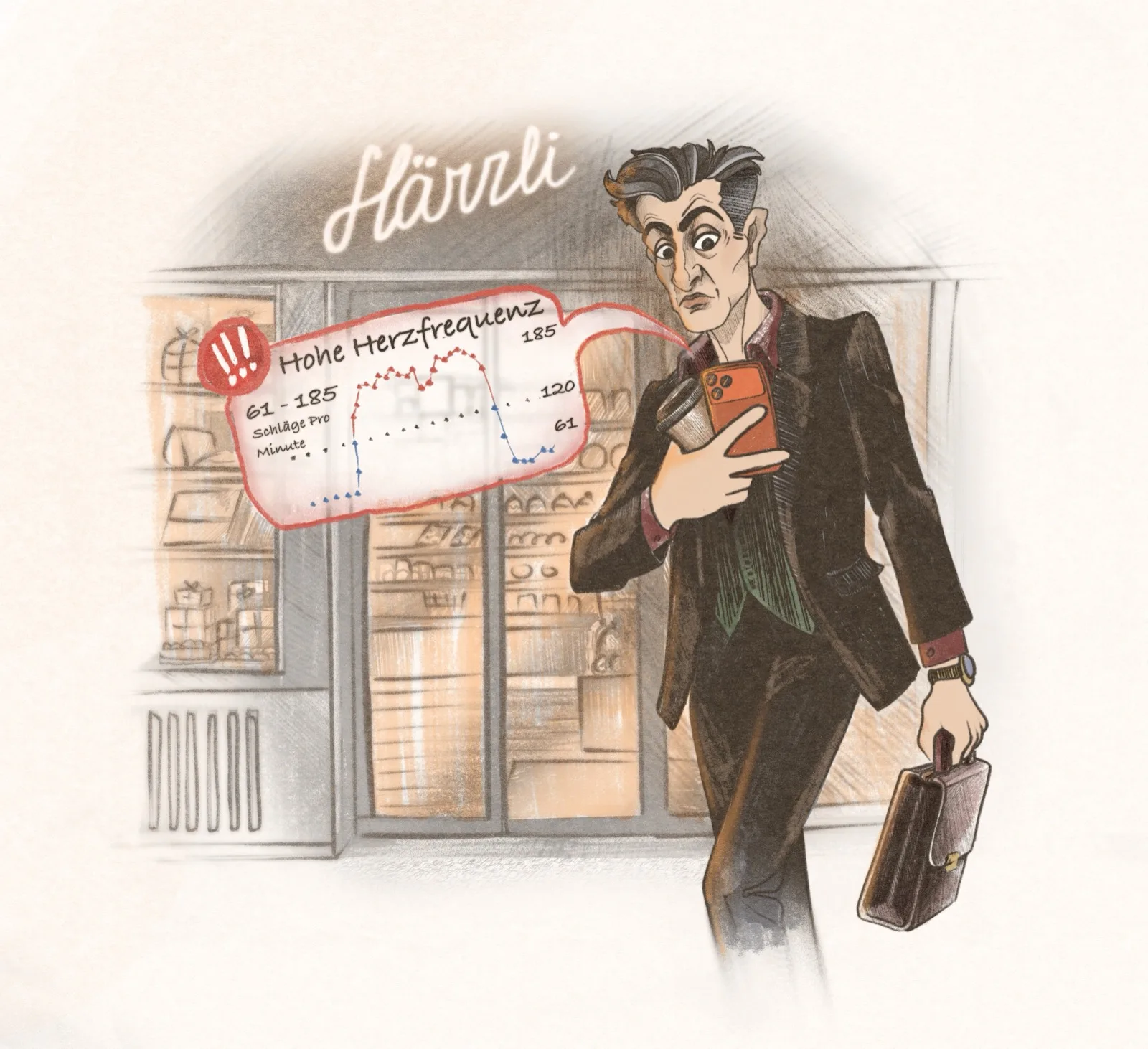
Palpitations and a racing heart are among the most common reasons for seeing a cardiologist. Many people experience occasional skipped beats, extra beats or spells of a rapid heartbeat during their lives. In most cases these symptoms are harmless. Sometimes, though, a heart rhythm disorder that needs treatment is behind them.
What are palpitations?
Palpitations are often caused by what are known as extrasystoles. These are extra heartbeats between the normal beats. Patients often describe this as the heart skipping, stumbling or fluttering.
What is a racing heart?
A racing heart means the heart suddenly beats noticeably faster than usual. Possible symptoms are a pounding heartbeat, a racing pulse, dizziness, breathlessness or reduced stamina.
Possible causes
Common and mostly harmless causes include stress, lack of sleep, caffeine, alcohol, nicotine or dehydration. Cardiac causes include atrial fibrillation, atrial flutter, heart valve disease, coronary heart disease or heart failure. Other causes include an overactive thyroid, anaemia, electrolyte disturbances or anxiety disorders.
When should palpitations be investigated?
A cardiological examination is particularly advisable for new symptoms, frequent palpitations, a persistently racing heart, dizziness, a tendency to faint, breathlessness, chest pain or reduced exercise tolerance.
Which examinations help?
- Resting ECG
- Long-term ECG (Holter)
- Event recorder or loop recorder
- Echocardiography (cardiac ultrasound)
- Exercise ECG
- Blood tests including electrolytes, thyroid values and a full blood count
- Coronary CT or cardiac catheterisation for suspected coronary heart disease
Atrial fibrillation: the most common heart rhythm disorder
Atrial fibrillation is the most common sustained heart rhythm disorder in adults. Typical symptoms are a racing heart, palpitations, breathlessness and reduced stamina. Because it can markedly increase stroke risk, early diagnosis is particularly important.
Modern treatment options
Treatment depends on the cause. Possible options are lifestyle optimisation, medication, catheter ablation, pacemaker therapy or treatment of the underlying condition.
Conclusion
Palpitations and a racing heart are common and usually harmless. If they recur, however, or come with dizziness, breathlessness, chest pain or reduced stamina, you should have a cardiological assessment.